Top 5 Best Tourist Attractions in Greece for Travelers
March 14, 2026
March 14, 2026
March 10, 2026
March 9, 2026
March 8, 2026
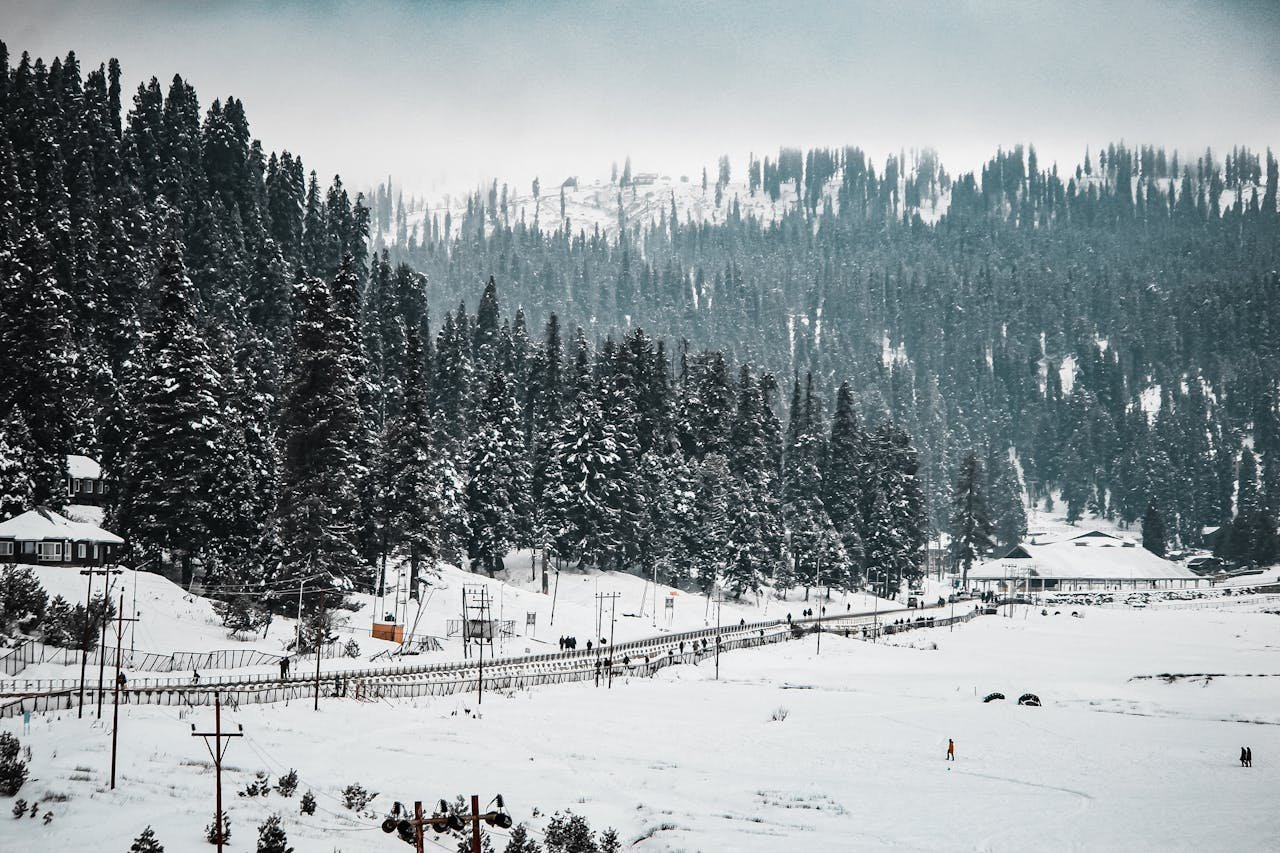
Himachal is full of surprises. You've got the postcard stuff: apple trees blooming everywhere, snowy peaks against bright blue skies, and wild rivers like the Beas and Sutlej cutting their way through the rocks. But there's way more. It's the sound of temple bells and horns echoing in the quiet valleys. It's the smell of pine trees after a rain and the cosy smell of a wood fire in a roadside restaurant on a cold night. This place puts things in perspective. In places like Spiti, you're standing in the middle of mountains that are a billion years old, mountains that make you feel wonderfully small. Then, you stumble upon a hidden green village with fields like stairs, proof that people can live in harmony with just about anything. But what really makes Himachal special is its people.
For centuries, this has been the affable shepherd walking his sheep. Local: The 'wild roads' are being tracked by a local bus, decorated and playing loud music. It's crazy. It is the peaceful devotion in an ancient temple or the serene monk hoisting his prayer wheel. Things move differently here. They move on mountain time. Plans change because of a landslide, snow, or just the urge to watch the clouds. Life is measured in sunrises and sunsets. You might come for the usual spots. Shimla, Manali, and Spiti, but you stay for everything else: a random tea stop with an amazing view, a hidden forest path, or a chat with a local who hands you a wild strawberry.
Himachal does more than just show you pretty views; it changes you. It's the thrill of a hike where your sore muscles are worth the view. It's the peace of a monastery, where all you hear are prayers. It's the simple joy of warming your hands around a cup of local bread by a fire. Finally, Himachal Pradesh is more than just a bunch of hill stations. It’s how you feel. It's a reminder that big and small can go hand in hand. It welcomes you and challenges you. You leave a piece of yourself here, and it gives you peace and a memory of being in the mountain.
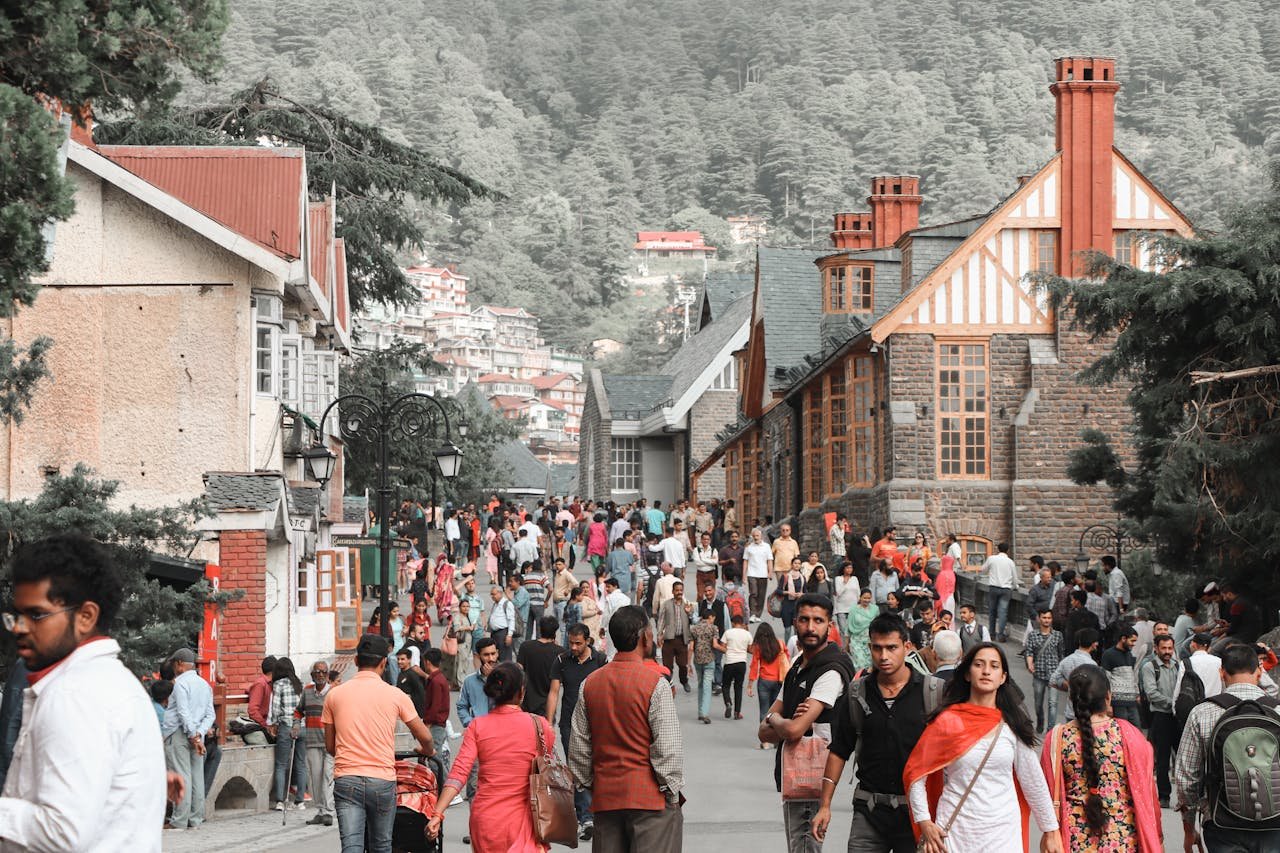
Imagine a city on rolling hills, with pine trees and a cool breeze, where old buildings peek out from between the trees. That’s Shimla, the Queen of Hills. More than just somewhere to visit, it feels like going back in time. The Mall Road is the heart of Shimla, a busy street where people walk, kids eat treats, and everyone is talking. Right above it is the Ridge, which has awesome views of the Himalayas. You have to try the Kalka-Shimla Toy Train. It's slow and clickety-clack, going through tunnels and over bridges, with amazing views the whole way. Shimla is for taking it easy, visiting Christ Church, finding the trails of Jakhoo Temple (watch out for the monkeys), and just watching the mist roll in.

Manali is where things get exciting. It's right at the start of the Kullu Valley and is a lively town that gets you into the Himalayas. What's cool is that it has two sides: Old Manali, which has cozy cafes, markets, and a laid-back vibe; and Mall Road, which is more mainstream. The real draw is what's around Manali. People go trekking, paragliding over Solang Valley, and driving to Rohtang Pass (or even further to the Atal Tunnel). Check out the Hadimba Temple, a cool-looking temple in the forest, and go rafting in the Beas River. In the winter, people ski on the hills. Manali is for folks who want a little bit of everything: comfort, culture, and lots of nature.
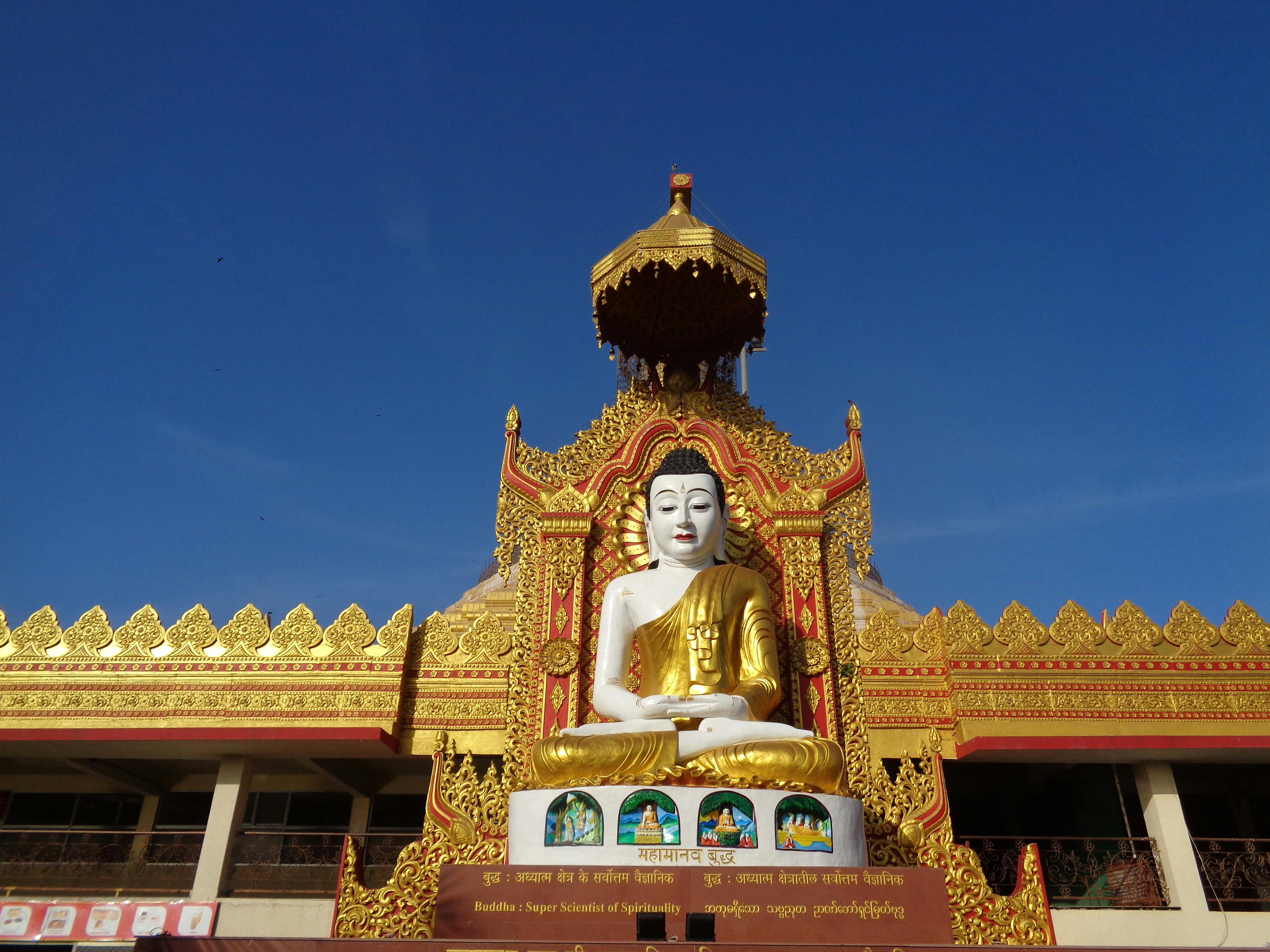
This is more than just views; it's a culture trip. Dharamshala has the main town below and McLeod Ganj up top, where the Dalai Lama lives. The vibe is special; it's a mix of Indian and Tibetan. You hear prayer wheels and chants. You can go to teachings, see the Dalai Lama's temple, and learn about Tibetan culture. Cafes serve momos and thukpa, and the streets are full of shops. The Bhagsu Nag waterfall and the Triund trek are also great.
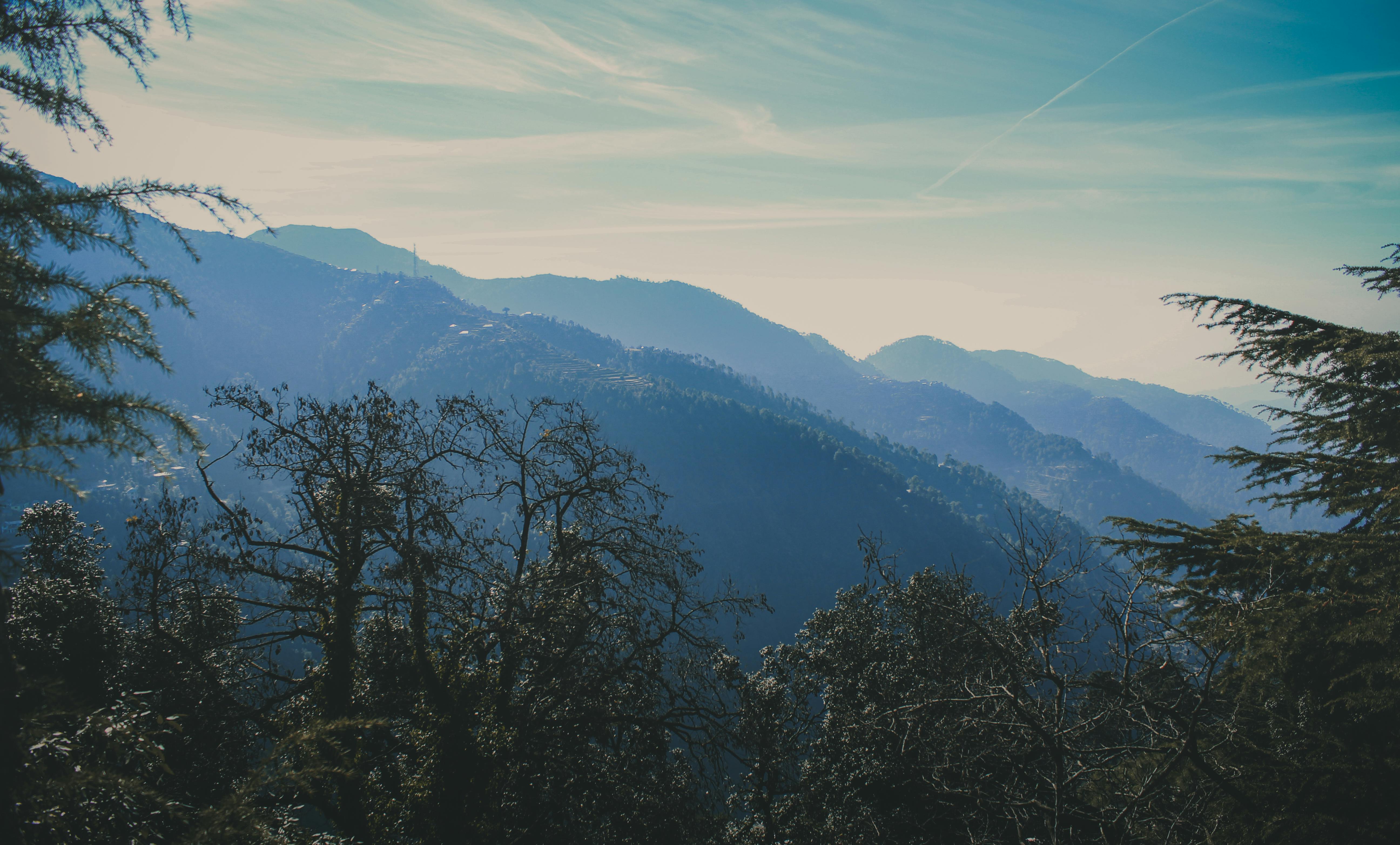
It's like Dalhousie being a quiet, antiquated story. Ancient churches and buildings are present in the area, which is named after a British man. This hill station is noticeably colder than most of the others. The area is home to activities such as walking on trails like Subhash Chowk and Gandhi Kofk, going for walks in forests, or visiting churches. Mini Switzerland is also close to Khajjariar. Why? The street is covered in ice and breathtaking. "Dalhousie" is the name given to a woman who means "sure" due to the presence of tea and breeze. Slow down a bit.
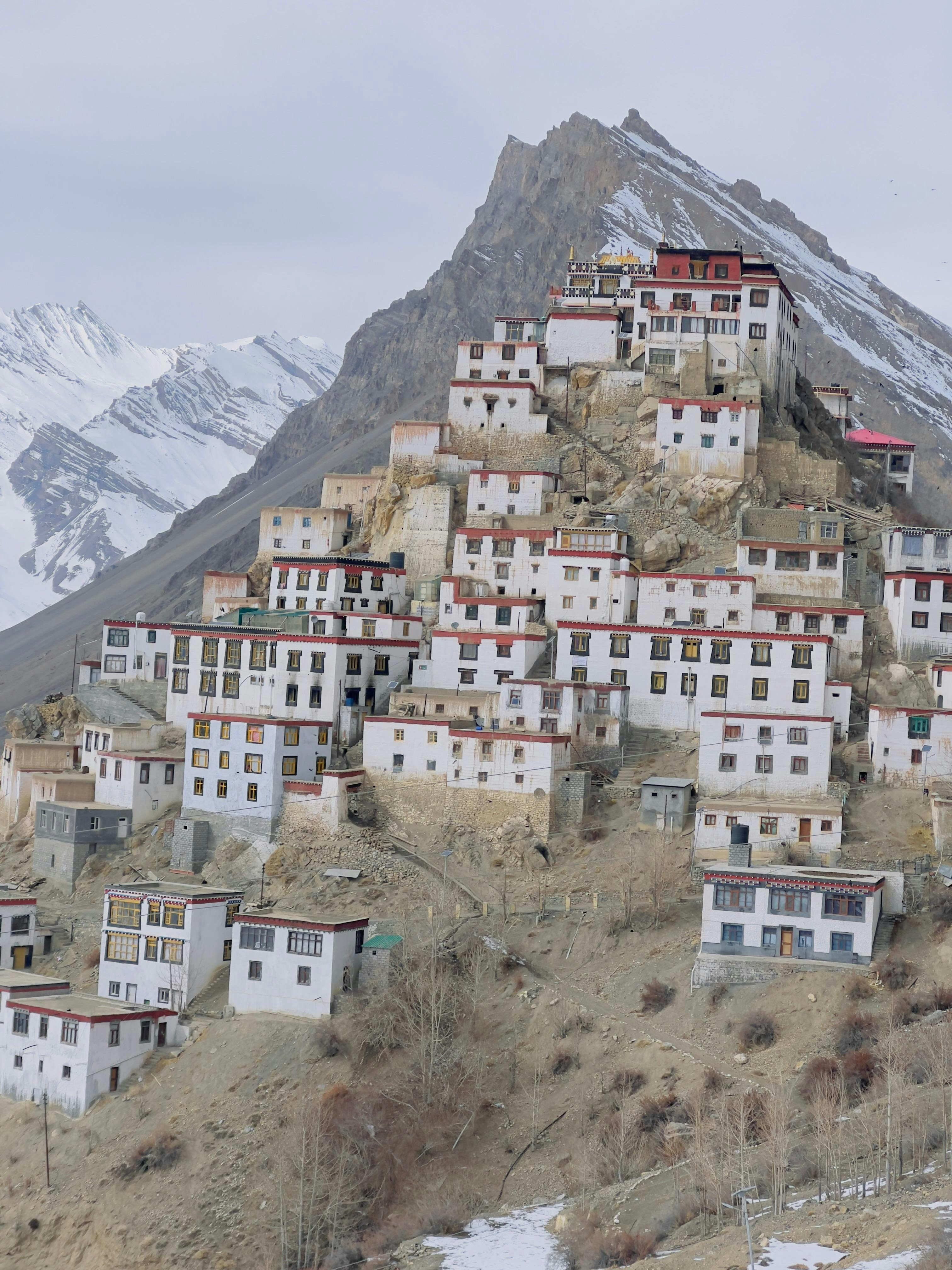
Spiti is like going to another planet. It's a really high, cold desert valley. It's far away, rough, and amazing. People call it Little Tibet. The landscape is brown mountains, villages, and white stupas. Going to Spiti is hard, but you get to see the Key Monastery on a hill, the Chandratal Lake (which looks like the moon), and the Dhankar Monastery built on a cliff. The people are tough and Buddhist, and it's super quiet. It's a place that reminds you how powerful nature is. This is for the traveller who wants to be alone and see something unforgettable.
Kasol, situated in the Parvati Valley, is known for its cool climate. It is becoming more like the Amsterdam of India, with Israeli backpackers carrying their suitcases and exploring, foraging in forests or trekking to Kheerganga (home to hot springs) and Pin Parvati Pass. Kasol is about chilling by the river, meeting people, eating great food, and going to the Parvati River.
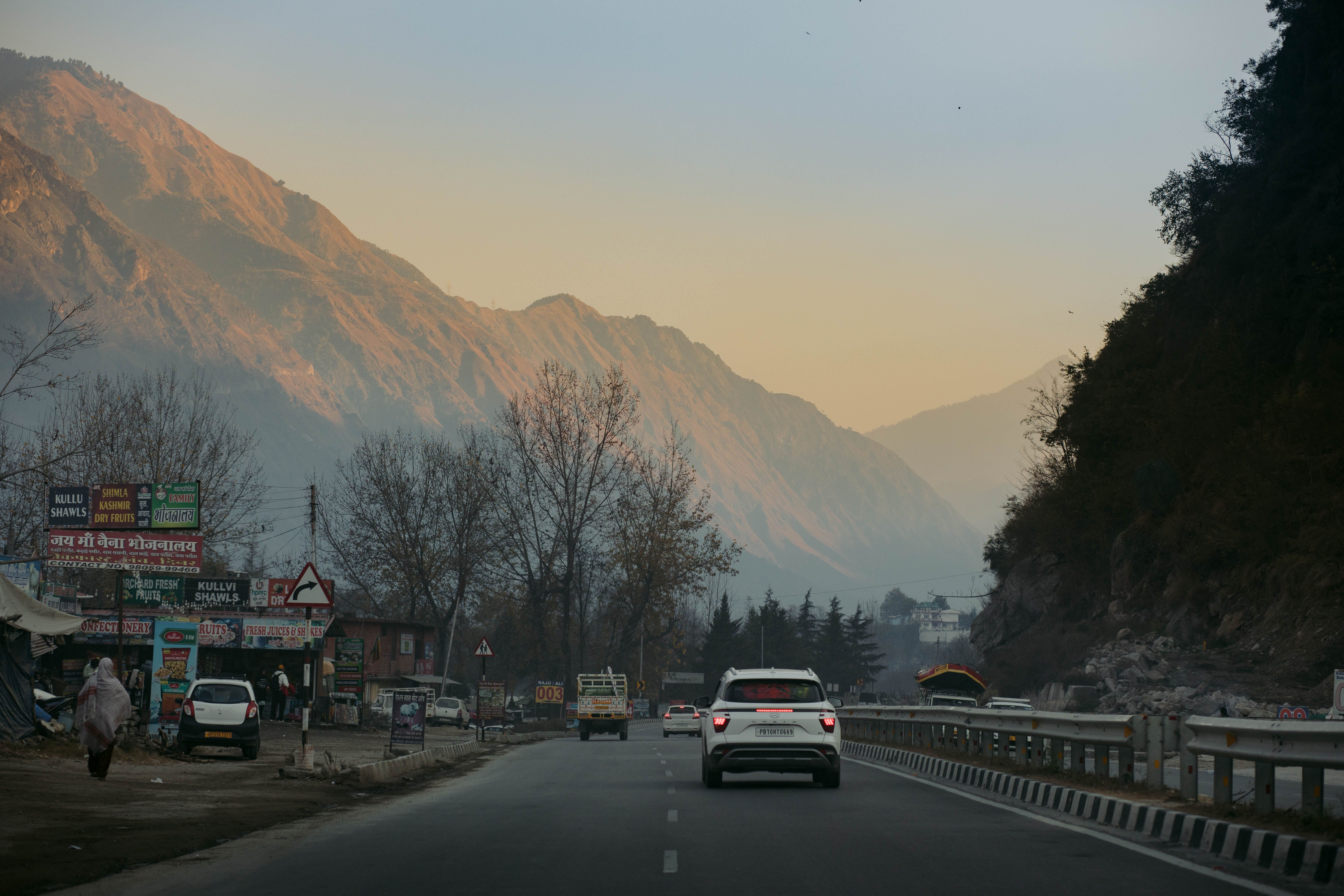
Kullu is the valley that Manali is in. Manali is where the action is, but Kullu is quieter and more traditional. It's known for its shawls and its Dussehra festival. The valley is green and full of apple trees and villages. The Raghunath Temple is a must-see. Driving along the Kullu Valley is awesome; every turn shows you a river, mountains, and green stuff. Kullu feels more real and less touristy. It’s the perfect place to understand the craft, agriculture, and spiritual traditions that form the backbone of this land. cozy