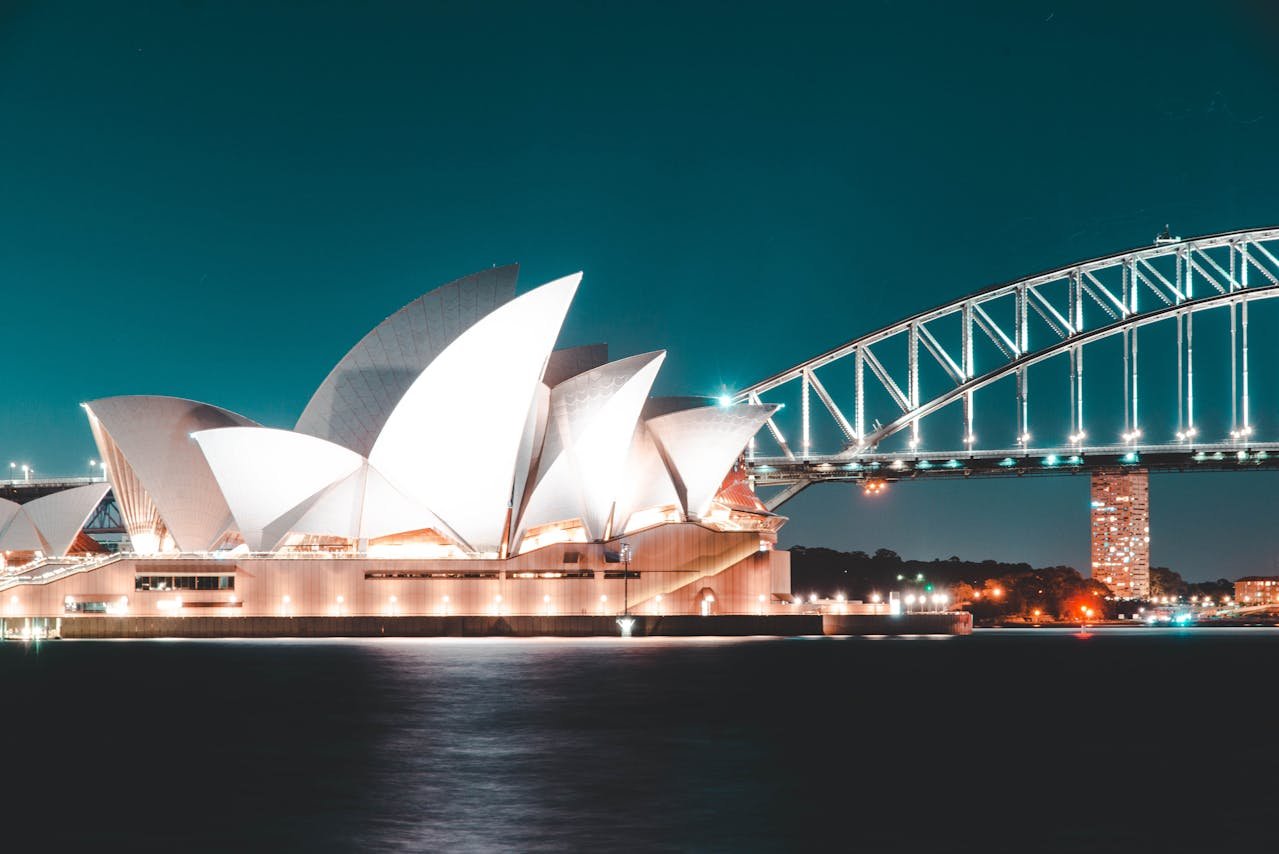
Top 5 Best Tourist Attractions in Greece for Travelers
March 14, 2026
March 14, 2026
March 10, 2026
March 9, 2026
March 8, 2026
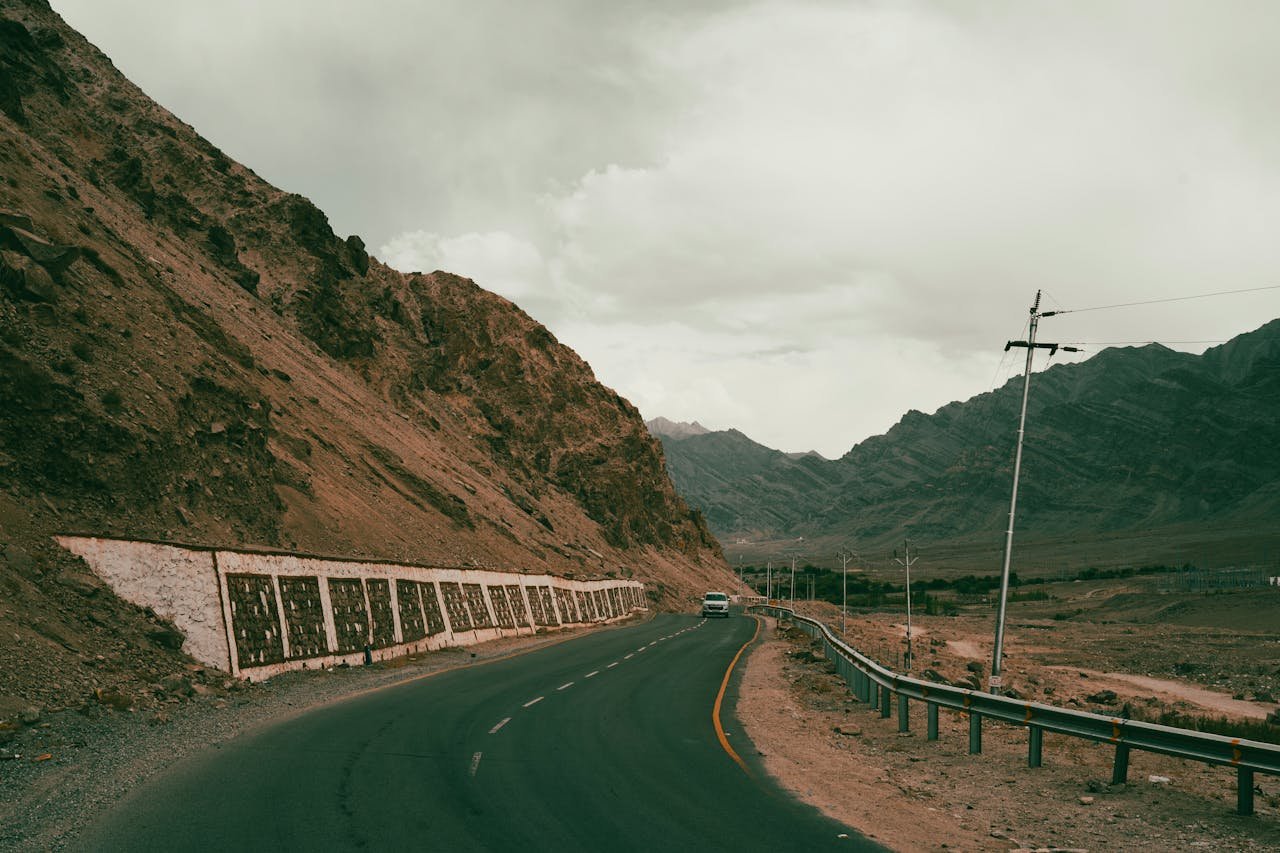
Leh ranks as one of the largest cities in India. Leh was an essential hub on the Silk Road. Located in a canyon 28 miles from Leh, Hemis Monastery is the largest and most populous monastery in Ladakh. The monastery is of Buddhist origin. Founded in the early 1600s, it belongs to the Drukpa Buddhist community.The monastery is quite spacious. The museum features historical artefacts, such as statues of Buddha and impressive paintings. The Hemis festival, which marks the birth of a guru, is the most significant event. The monks wear silk robes and masks, dance to the beat of good-over-evil music and play music. Through its artistic offerings and spiritual setting, the monastery has a historical connection to Ladakh. It was a centre of commerce.
A maze of narrow streets and traditional houses makes up the Old Town, which is situated beneath it. Walking along these lanes is akin to walking back in time, as you can see hidden temples and observe the daily activities of locals. The central market is still a busy place, filled with cafes and boutiques selling handicraft items, tourist offices, and international visitors. It is filled with the smell of temple incense, and bicycles make for a lovely sound. The significance of spirituality is evident in Leh.
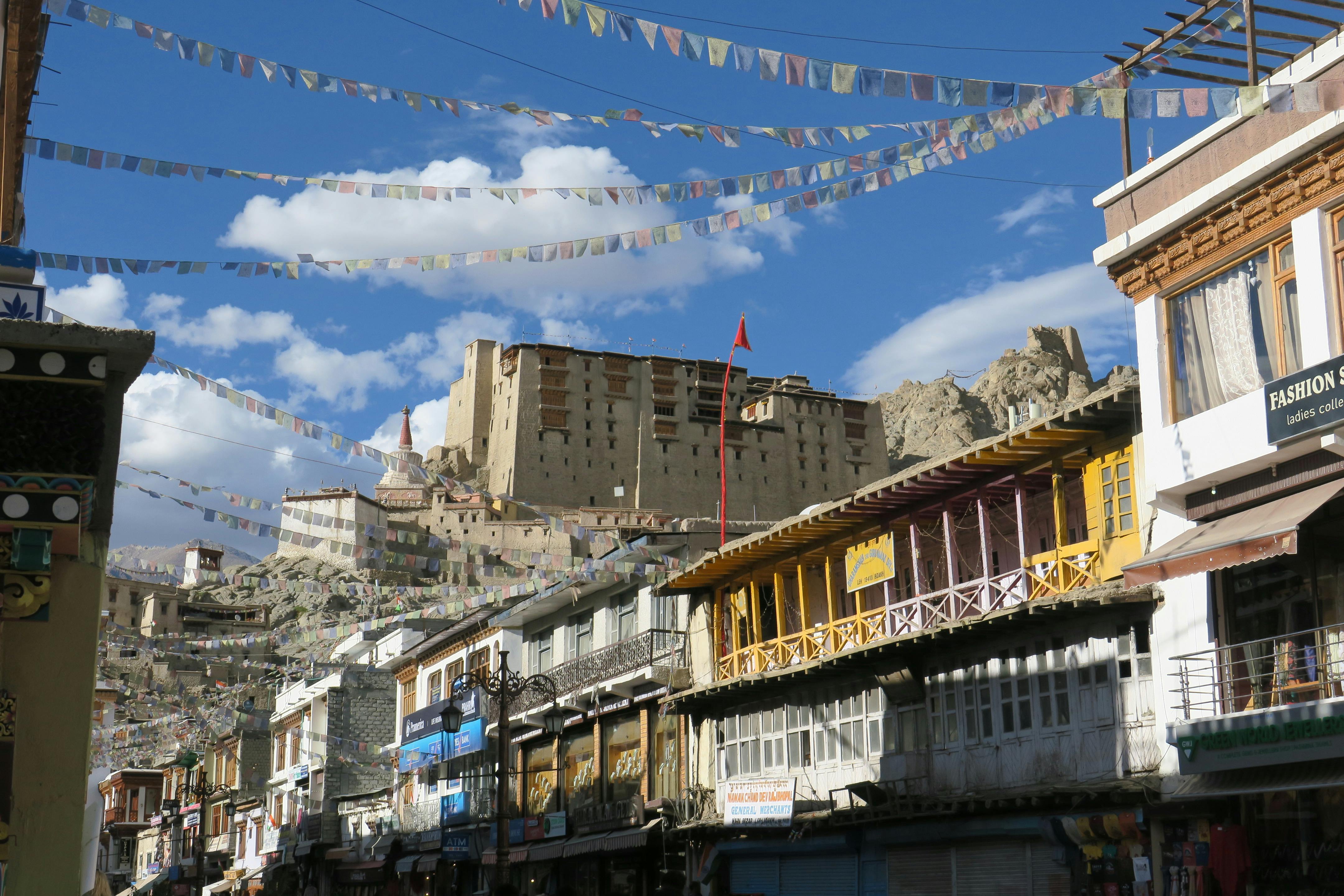
The Leh Palace stands out remarkably. This large ancient fortress resembles the Potala Palace located in Lhasa. It was built in the 17th century by a ruler called Sengge Namgyal. The royal family stayed there until they moved to the New World in the 1800s. With its traditional Himalayan architecture, the palace is built from mud bricks, timber, and stone to endure adversaries and adverse weather patterns.
Presently, it's somewhat impaired, but repairs are being made. It's like a trip back in time as visitors are allowed to climb up the stairs using only ladders and dark corridors. The peak offers a magnificent view of the Leh valley, the Stok Kangri mountain range, and the lively Old Town, as well as the verdant region surrounding the Indus River.The upper levels host a modest museum featuring royal artefacts such as Buddhist art, garments, jewellery, and ancient weaponry. It is more than just a structure; it narrates the history of Ladakh's royal heritage.
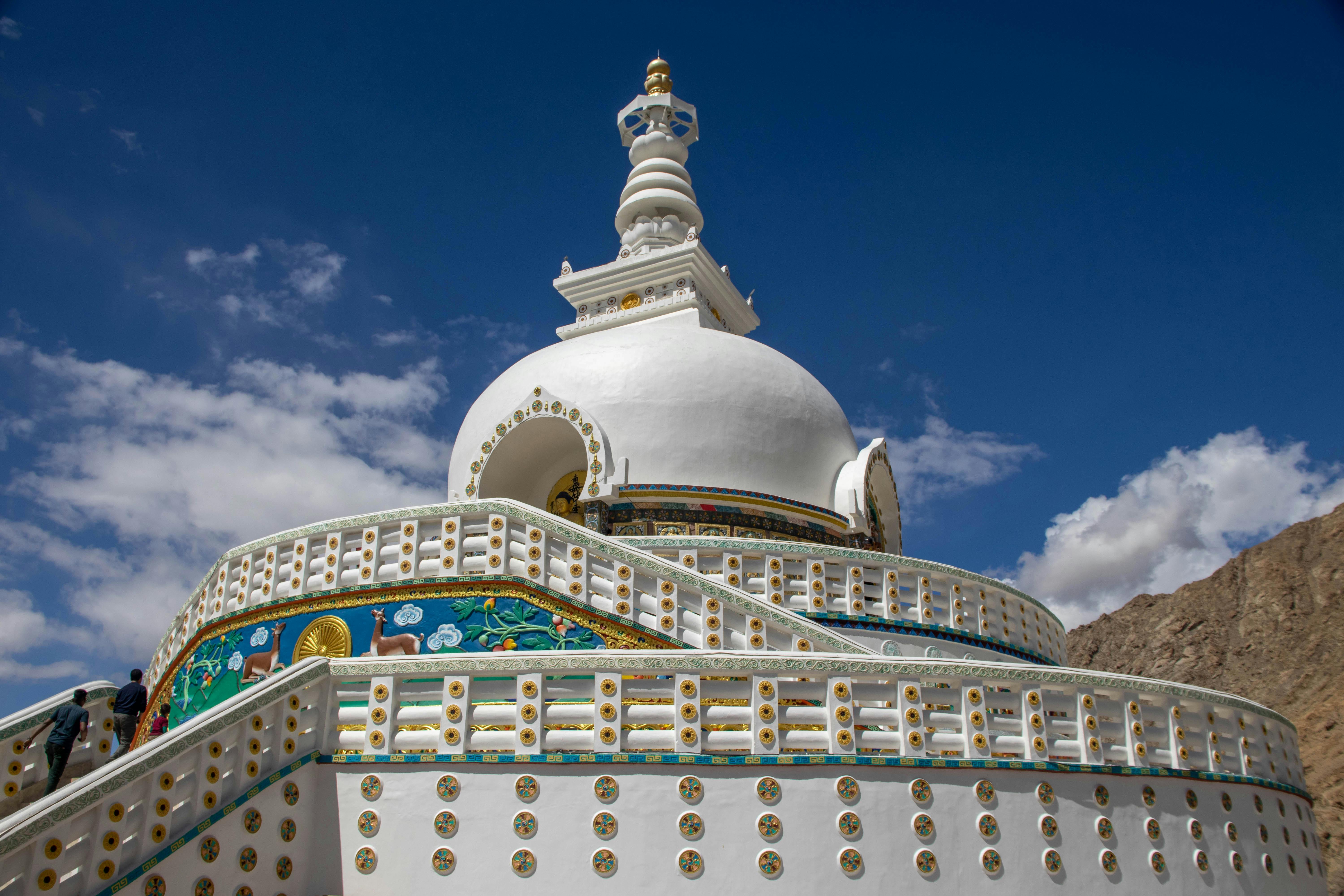
The Shanti Stupa is located on an elevated area in Changspa. This all-white Buddhist structure represents tranquillity and is a prominent attraction in Leh. Constructed in 1991 by Gyomyo Nakamura, accompanied by local Buddhists, and built to house Buddha's relics, the stupa is a sacred site, with its two beautiful tiers being particularly impressive.
On the lower level there is a golden statue of Buddha, with scenes from his life that tell of important moments in his journey. By climbing the stairs, you can see a magnificent panoramic view from above. From the viewpoint of Leh Valley, snow-capped mountains and swanky white moonlit stupas. Here you can relax, take pictures and enjoy the peace of Ladakh.
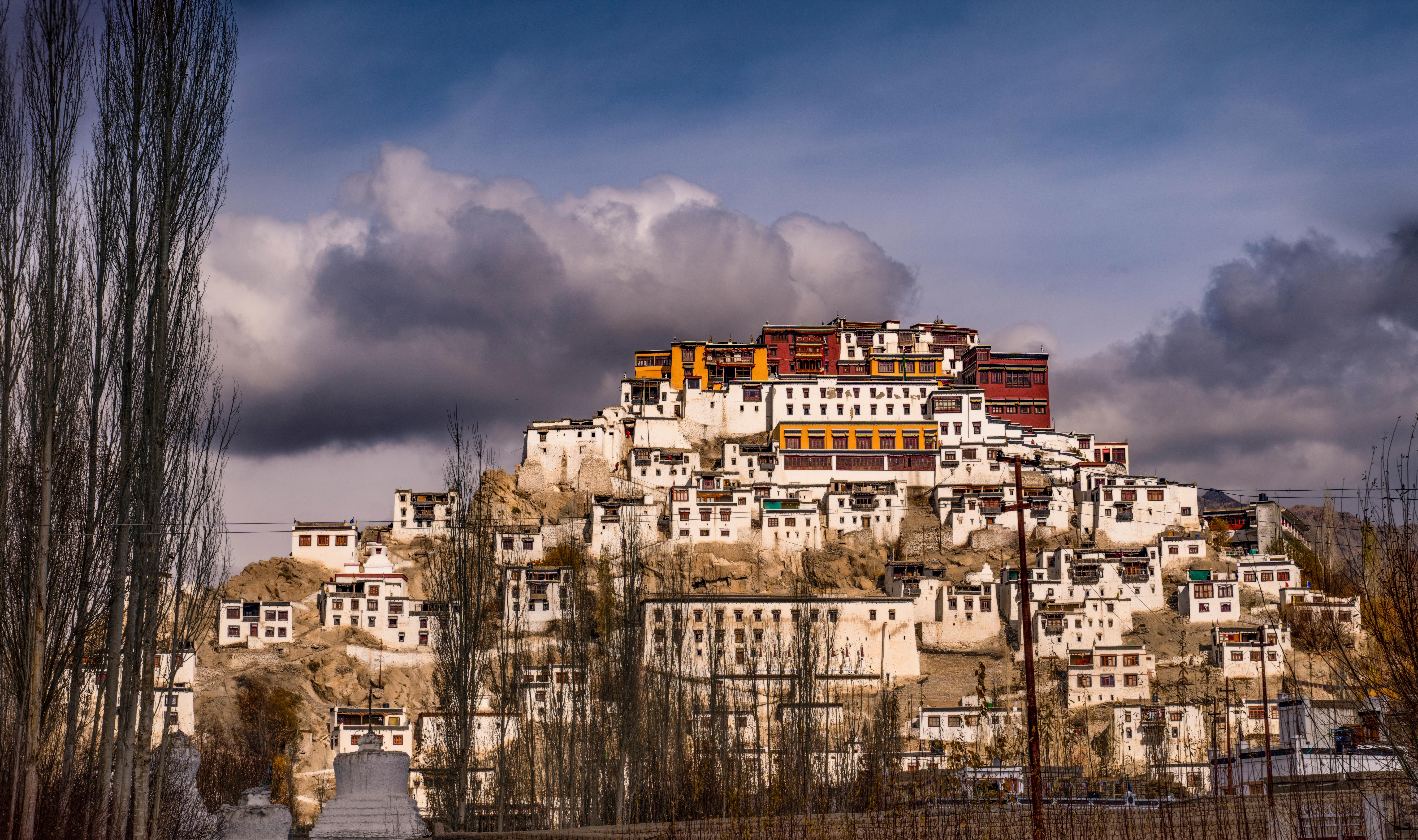
Mini Potala, which is the monastic name for Thiksey Monastery, is how this palace in Tibet looks. This is one of the grandest monasteries in Ladakh. An imposing 12-storey building on sloping land, approximately 12 miles away from Leh, is simply breathtaking. This monastery, which dates back to the 14th century, is still functioning as a living monastic compound where monks can be found residing, studying, and praying. The monastery features temples, shrines, stupas, and undivided spaces, including living rooms.
The visitors are provided with various facilities throughout the monastery. Among them is the Maitreya Temple, where a statue of the Future Buddha can be seen. The Dalai Lama commissioned this statue during the 1970s, which contains many sacred items. Another major attraction is the Gonkhang temple, which is renowned for its stunning artwork. Additionally, the monastery has a historical library that contains Tibetan texts. The morning prayers are marked by a spiritual encounter through the use of both music and chanting. The Indus Valley is so breathtaking to behold from its peak.
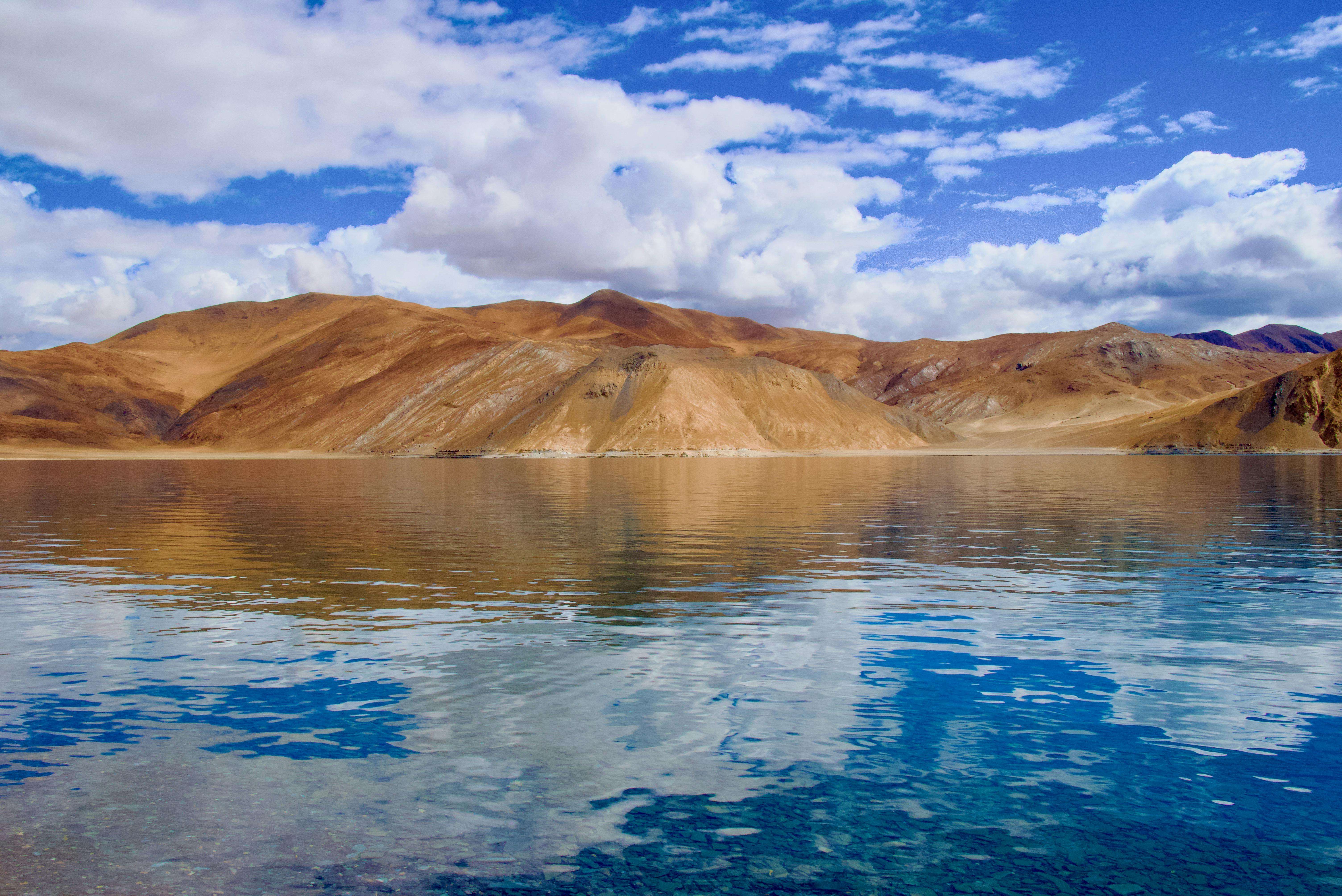
Pangong Tso, which translates to "High Grassland Lake", is a breathtaking natural marvel. It is one of the world's highest saline lakes, reaching almost 14,300 feet. Most of Tibet is home to the lake that spans about 83 miles in size. With no access to the rivers, the water is salty and has a changing colour that is affected by cloudy weather and sunlight. It is a rugged and picturesque place, with mountains spilling over into the clear blue waters. This area is a well-protected wetland and a thriving nesting ground for many bird species, including ducks and geese. The lake freezes in the winter. Although it may be a strenuous journey, the beauty of Pangong makes up for lost time and effort.
Magnetic Hill, a place where vehicles appear to move up and down, is one of the most eye-catching sights in Ladakh. A sign designates it as such, located on the ancient Leh-Kargil road. It is said by a local legend that the magnetic attraction on the hill lures cars uphill. To experience this, park in the white area, shift into neutral, and release your foot from the brakes. Unlikely, this vehicle appears to be moving upwards. The landscape creates an illusion, which is not true. The surrounding mountains obscure the horizon, preventing you from perceiving the true gradient of the road. You are tricked into thinking that a drop is actually going down. Despite the explanation that makes it enjoyable, it also highlights the unexpected beauty of Ladakh. It's an experience worth experiencing.
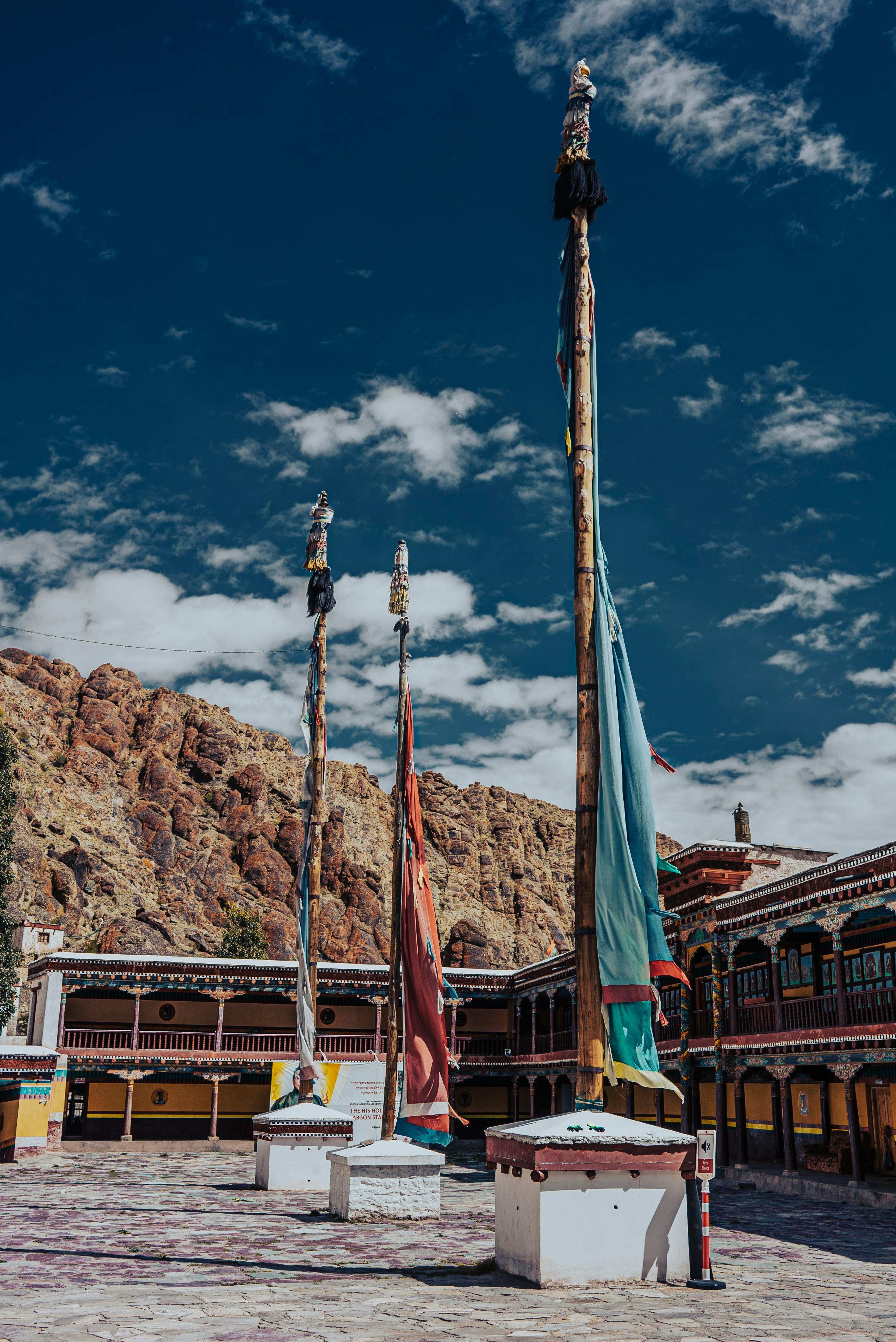
A canyon located 28 miles from Leh is where Hemis Monastery, the most crucial and richest monastery in Ladakh, can be found. The Drukpa Buddhist group encompasses it, which was established in the early 1600s. In contrast to other mountain monasteries, Hemis appears more elaborate and secretive, with artwork and sculptures plated in gold. The monastery's most unusual feature is this? The monastery is quite spacious.A museum is present and exhibits historical artefacts, including statues of Buddha and impressive paintings. Nevertheless, the most noteworthy event is the Hemis festival, a crucial summer occasion for the birth coming of a guru. The festivities are significant. The monks wear silk robes and masks, dance to the beat of good over evil music and play music. The monastery's location and artistic offerings are both spiritual and significant in the history of Ladakh.